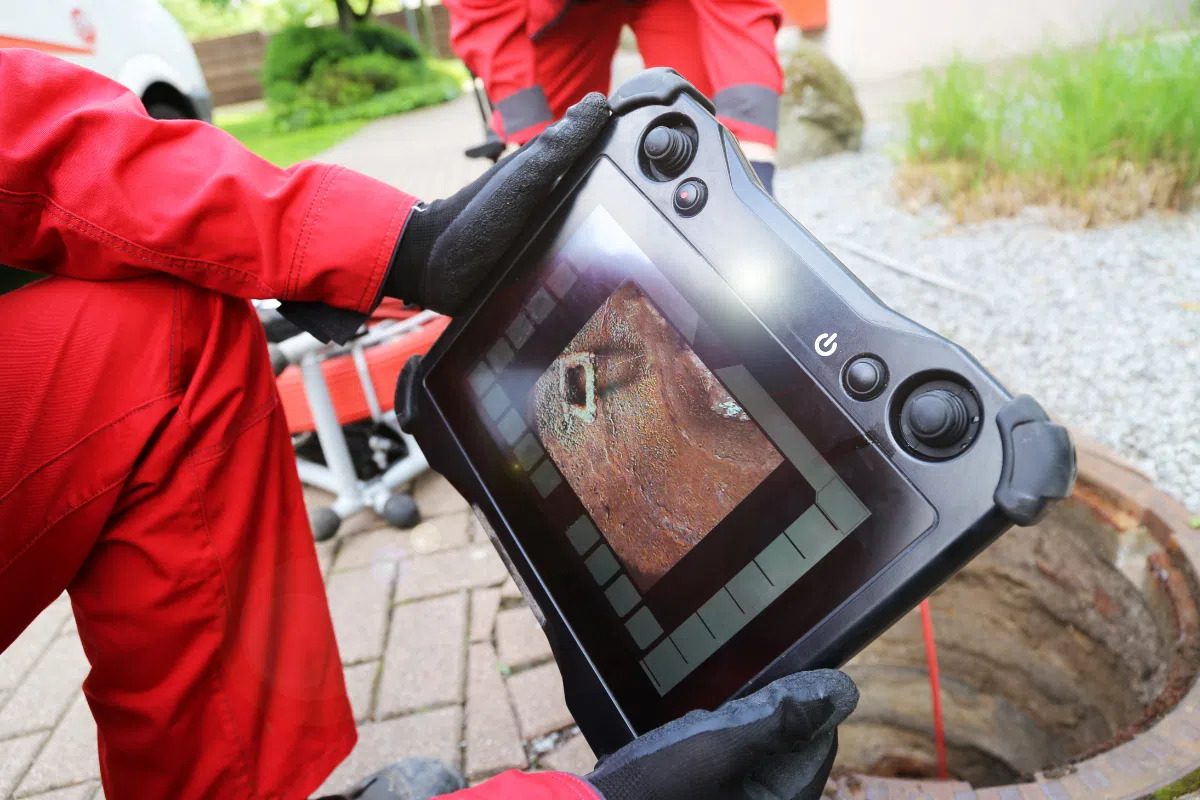
Buried Utility Investigation
Underground Utility Locating in Boca Raton
Investigate potential utility routes before you dig, trench, or install underground infrastructure. Get a Free Estimate
Buried Utility Investigation
Investigate potential utility routes before you dig, trench, or install underground infrastructure. Get a Free Estimate
Underground utility locating helps construction teams and property owners investigate the potential positions of buried services before excavation or other ground-disturbing work. Water pipes, sewer lines, electrical conduits, telecommunications cables, gas lines, and irrigation systems may be present even when no surface markers are visible. Damaging these utilities can create safety hazards, interrupt services, delay projects, and lead to costly repairs.
In Boca Raton and surrounding South Florida communities, underground utility investigation can support new construction, drainage improvements, landscaping, paving, repairs, and infrastructure upgrades. Depending on the target and site conditions, appropriate methods may include electromagnetic locating, GPR, records review, or a combination of approaches. No locating method identifies every utility under all conditions, and private utility locating does not replace required notifications through Florida's applicable utility notification system or required physical verification.
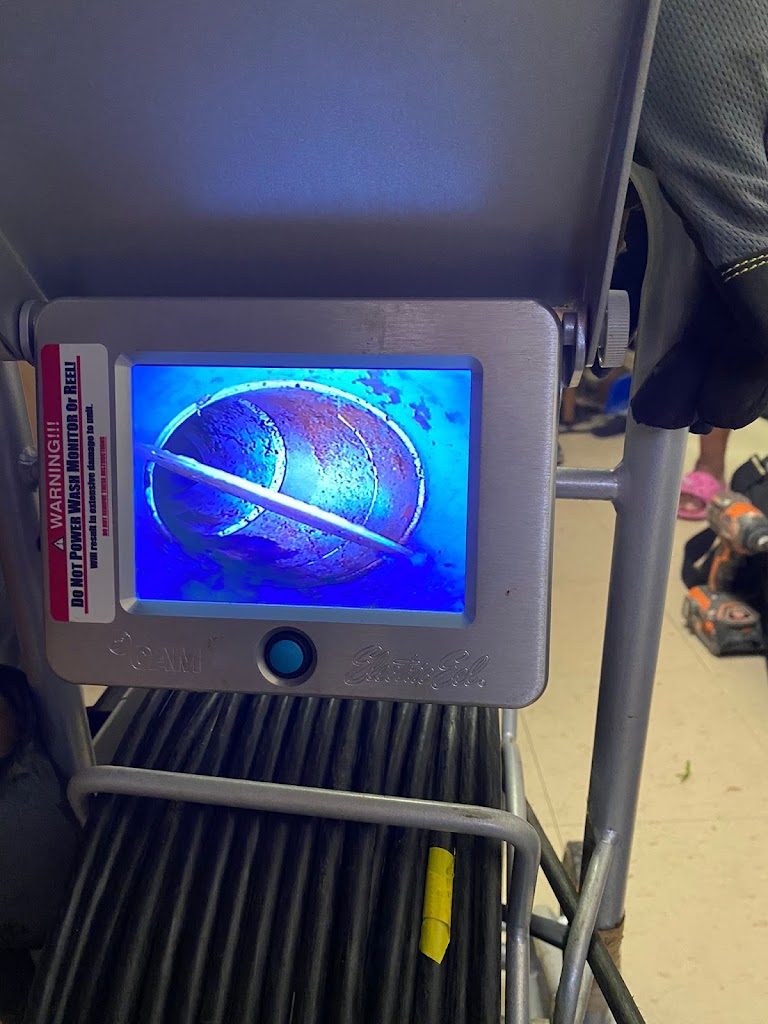
An effective locating plan considers the proposed excavation, available utility records, suspected services, and the limitations of each detection method.
Investigate potential utility routes in planned building, paving, trenching, and site preparation areas before excavation begins.
Investigate customer-owned or private-site utilities that may not be fully represented in public utility records, subject to site access and detection capabilities.
Check for potential conflicts before installing irrigation, planting trees, constructing drainage features, or modifying paved and landscaped areas.
Investigate potential utility crossings and route conflicts that could affect new installations, maintenance work, or proposed changes to an existing property.
| Service | Estimated Cost | Average |
|---|---|---|
| Small residential area | Quote required | Depends on coverage |
| Private utility locating | Quote required | Depends on targets |
| Commercial construction area | Quote required | Depends on site size |
| Complex utility corridor | Quote required | Depends on project scope |
No verified local rates are claimed. Costs depend on the survey area, target types, utility congestion, site access, detection methods, required marking or documentation, and project schedule.
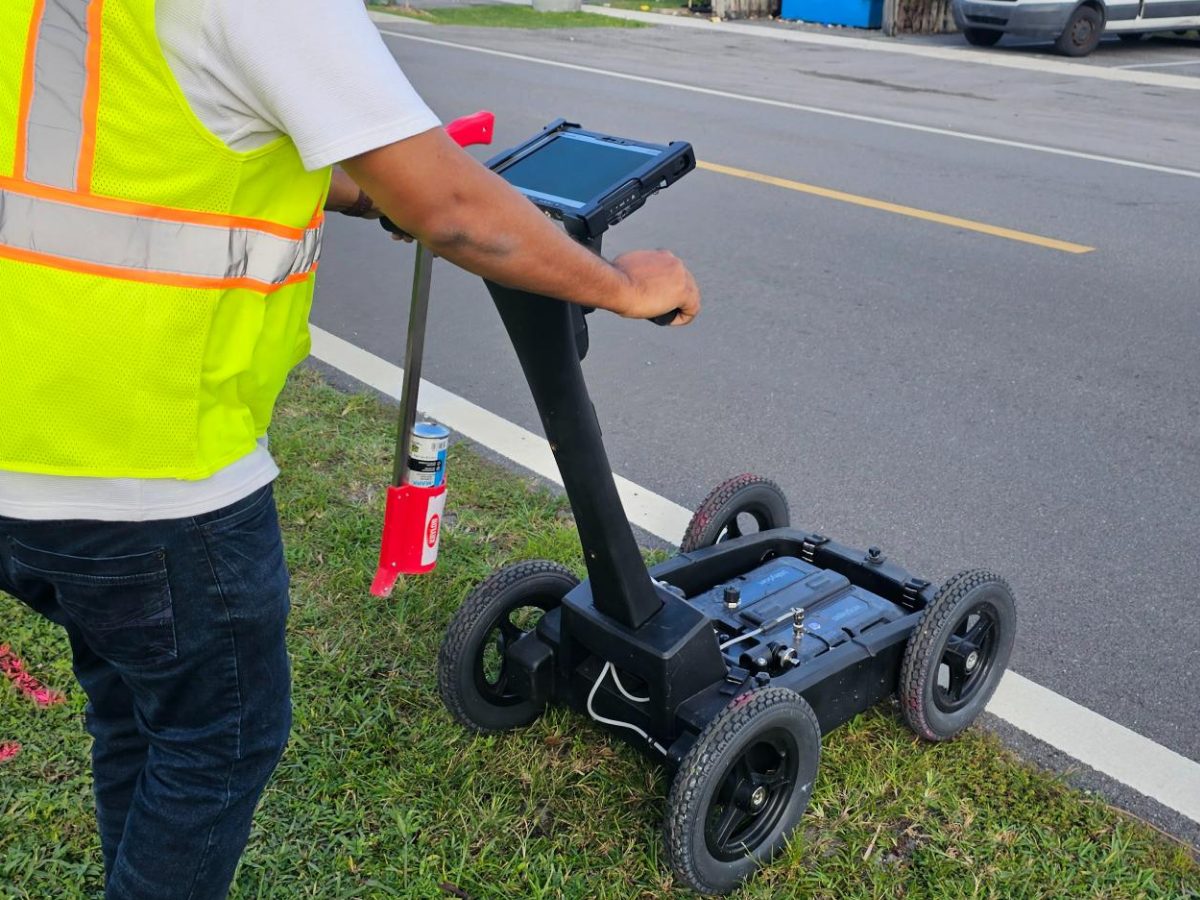
Different utilities respond differently to detection methods. GPR, electromagnetic locating, records review, and verification may be used as appropriate.
Private properties may contain irrigation, lighting, communication, and other services not fully shown on public plans.
Results depend on detectable characteristics and field conditions. Appropriate verification remains essential before digging near suspected utilities.
Planning excavation, drainage work, or utility installation in Boca Raton? Request an estimate for underground utility investigation.
Free — no obligations
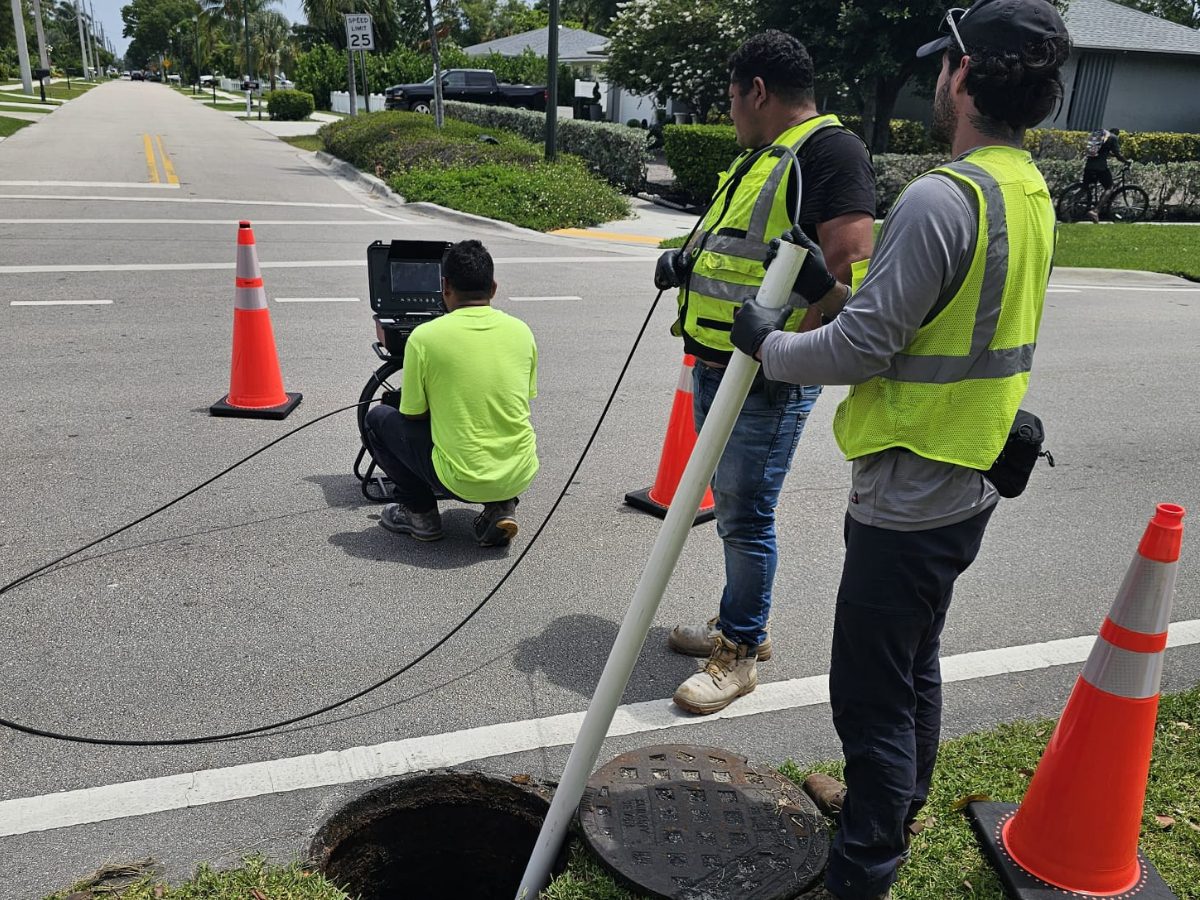
Share the work location, proposed excavation limits, available plans, known utilities, and the types of services you need to investigate.
Determine which locating methods may be appropriate and whether public utility notifications or other coordination are needed.
Conduct the agreed locating work, subject to site conditions, accessibility, and the capabilities of the selected detection methods.
Discuss the findings, marked areas or supplied documentation, limitations, and the need for physical verification or utility-owner coordination.